Getting around
Sustainability starts before the hotel: Transekur's electric journey
Electric vehicles are already part of our operation. Here is how we connect the passenger experience with a gradual transition in Dominican tourism transport.

- Published
- Dan Guzmán
- 4 min read
- Getting around
A visitor's experience of the Dominican Republic begins before the hotel check-in desk. It starts when they leave the airport, meet their chauffeur and begin the journey to their destination.
That journey belongs in the sustainability conversation too. At Transekur, improving tourism transport means looking after today's passenger while making practical decisions about how we want to operate tomorrow.
Our electric transition starts with that principle: we do not have to wait for every vehicle category to become available at once before using the options that can already work.
From an intention to vehicles in service
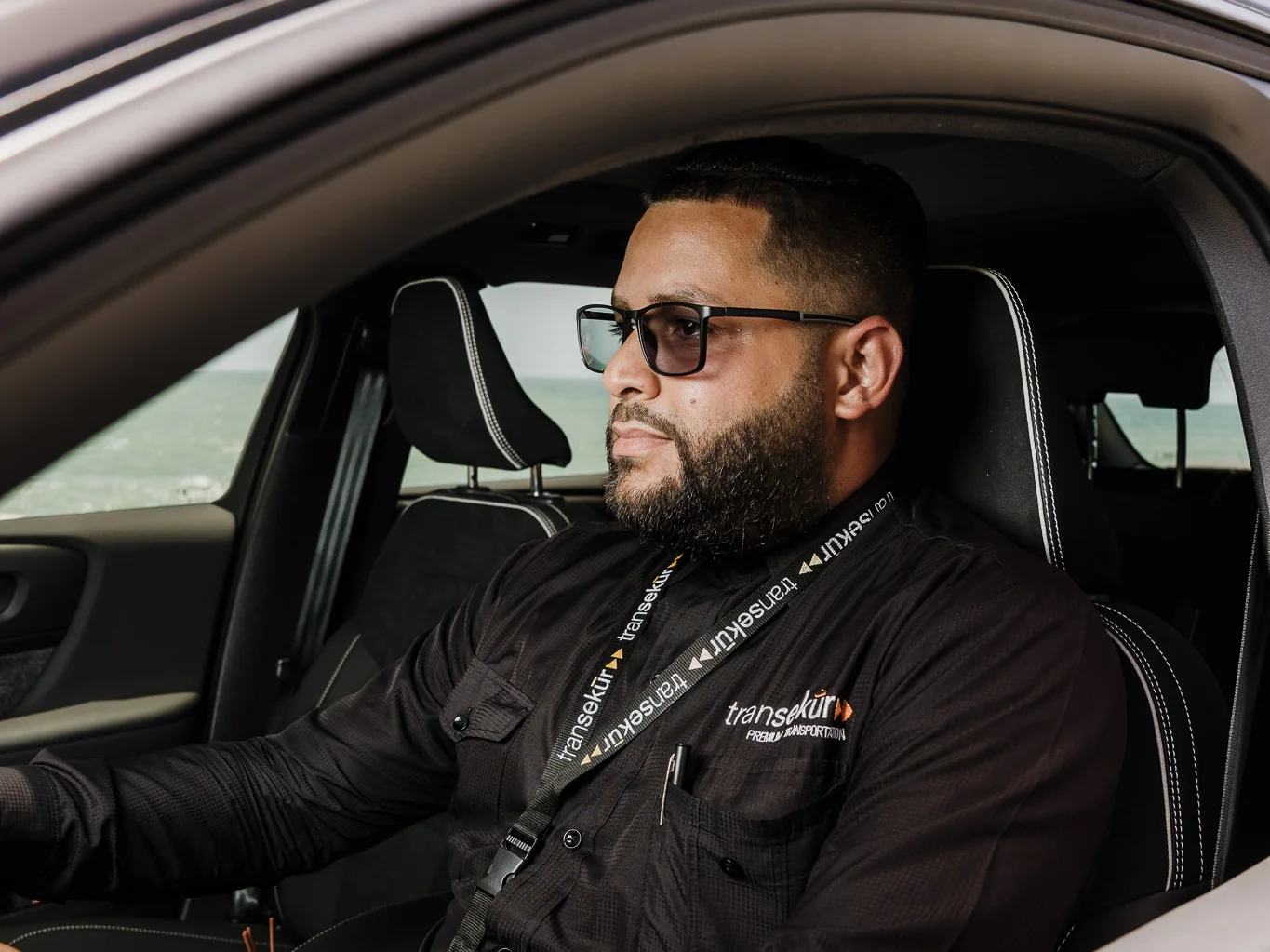
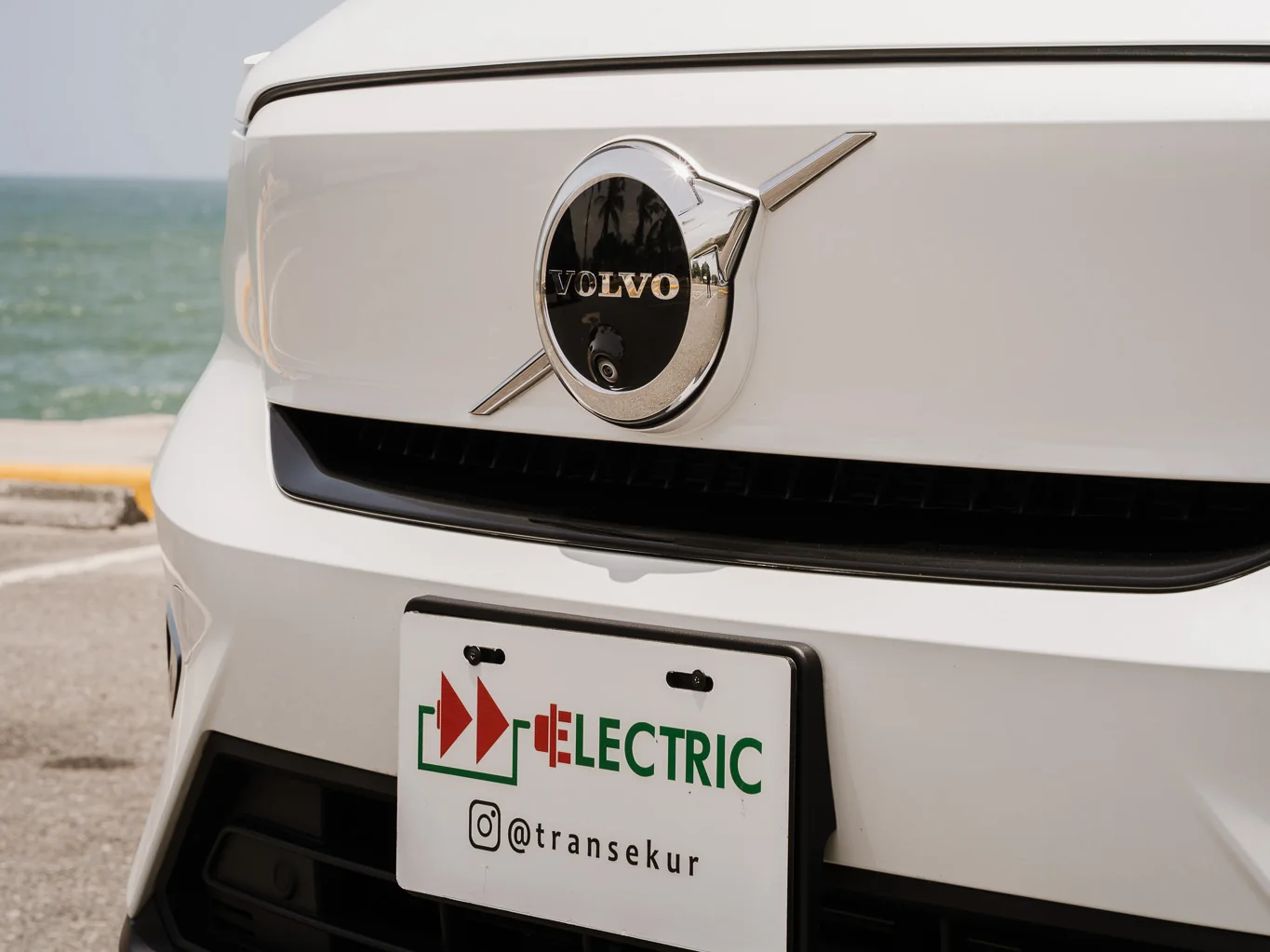
Transekur began purchasing electric vehicles in 2020. Fully electric Volvo XC40 Recharge vehicles now operate within our fleet, carrying the company's ELECTRIC identity and driven by our own employed chauffeurs.
This is not a display vehicle or a claim that the whole fleet is electric. It is the integration of different technology into everyday private transport, under the same service model: our vehicles, coordinated journeys and care for the passenger.
Our sustainability approach is to extend that transition to more categories as suitable alternatives become viable for our operation. The customer experience must remain central to each addition.
Why the airport transfer matters
When planning a holiday, travellers compare hotels, activities and transport options. The vehicle connecting those experiences deserves consideration as well.
For visitors arranging Punta Cana airport transfers in the Dominican Republic, an electric-vehicle request makes that preference part of the planning process. The important step is confirming that it fits the date, route and needs of the people travelling.
A fully electric vehicle produces no tailpipe exhaust while operating. That does not mean it has no environmental footprint: the electricity used and the vehicle's lifecycle also matter, as the U.S. Environmental Protection Agency explains. Being clear about that distinction is part of communicating the benefits accurately.
A transition that must work in the destination
Replacing a vehicle involves more than comparing powertrains. A couple with carry-on luggage, a family with suitcases and a larger group need different solutions.
Our approach is to consider each category separately. Useful range, luggage space, charging, air-conditioning use and maintenance support all need to fit the service. The vehicle must be suitable for the planned journey and for a dependable operation.
The international vehicle offering is evolving. In January 2026, Hyundai introduced the STARIA Electric, including passenger-transport applications among its intended uses. That is an example of emerging possibilities, not an announcement of a Transekur purchase or confirmation of Dominican availability.
The objective is to adopt solutions that work here, rather than treat a global launch as a vehicle already ready to serve our passengers.
The original 2030 horizon
Our original plan identified 2030 as a horizon for carbon neutrality. The pandemic and the availability of suitable alternatives across vehicle categories have affected the pace of that project.
Gradual electrification remains part of the ambition. However, operating electric vehicles does not by itself make a company carbon neutral. That objective also requires emissions to be measured and reduced, with residual emissions addressed within a defined scope.
We therefore distinguish the goal from the work completed: electric vehicles are in service, while the broader transition continues. We do not present carbon neutrality as an achieved result or an awarded certification.
Local companies have a role too
Tourism sustainability is not solely the responsibility of large hotel groups. A local transport operator also makes decisions about what it buys, how it coordinates service and what it tells customers.
An operator does not have to solve every challenge facing the sector to improve its part of the experience. A gradual transition creates room to learn and prepare the next steps while preserving safety, comfort and service continuity.
As a member of the La Romana–Bayahíbe hotel association, Transekur values a shared conversation between hotels, transport companies and other providers. The journey to Punta Cana, La Romana or Bayahíbe is not separate from tourism. It is part of the visit.
For hotels, businesses and productions, a useful starting point is specific: explain the journeys needed, where an electric option matters and which service records your team requires. Our reservations team can review the request and confirm what is available.
How to request an electric vehicle
When comparing Punta Cana transportation options, contact our reservations team before finalizing an electric-vehicle requirement.
Provide the date, pickup point, destination, passengers and luggage. For a return transfer or a stay involving several journeys, specify each leg. Availability needs to be reviewed for each service.
Our online booking system does not currently offer a separate electric class for customers to select. A request expresses your preference; an allocation is confirmed when our team validates the option for your journey.
If your search began with “Punta Cana airport shuttle,” note that Transekur offers private transfers rather than a shared scheduled shuttle. Requesting an electric vehicle does not change that private-service model or automatically alter the terms of a reservation.
Progress through practical decisions
For us, progress means putting available alternatives to work, preparing the next additions and explaining the scope of each step clearly.
Sustainable tourism also involves how we arrive. That journey can begin with the first transfer.