
International Airports in the Dominican Republic: A Complete Guide for Travelers
The Dominican Republic has quietly built one of the most connected airport networks in the Caribbean, making it one of the easiest destinations in the region to access from North America, Europe, and Latin America. For a country of its size, the number of international airports—and their geographic distribution—is not only impressive, but strategic. Whether a traveler is heading to Punta Cana, Santo Domingo, Samaná, or Puerto Plata, there is almost always a direct gateway nearby.
Understanding how these airports compare, and what role each one plays, can make a meaningful difference when planning a trip. It also highlights something many visitors overlook: your experience in the Dominican Republic often begins not at the resort, but the moment you land.
Punta Cana International Airport (PUJ)
Is the busiest airport in the country and the primary gateway for international tourists, particularly from the United States, Canada, and Europe. Designed with tourism in mind, its open-air terminals and efficient layout allow for a smooth transition from plane to resort areas such as Bávaro, Cap Cana, and Uvero Alto. Due to its high volume, arranging transportation in advance is essential to ensure a seamless arrival experience.


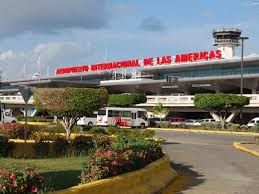
Las Américas International Airport (SDQ)
Serving Santo Domingo, is the second most important airport in terms of passenger traffic. Unlike Punta Cana, it handles a mix of business, diaspora, and leisure travelers. It provides access not only to the capital’s historic Colonial Zone but also serves as a central hub for traveling to other parts of the country, making transportation logistics particularly important.
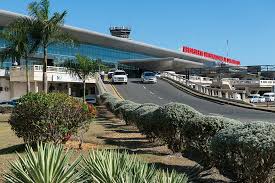
Cibao International Airport (STI)
Located in Santiago, is a key gateway for the northern region and is heavily utilized by the Dominican diaspora, especially from the United States. It is essential for travelers visiting Santiago and nearby areas such as Jarabacoa and the central mountain region.
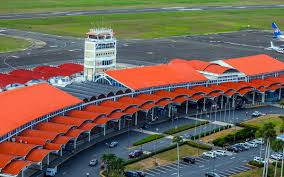
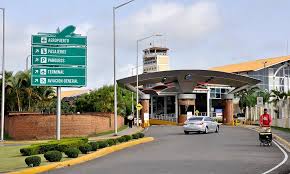
Gregorio Luperón International Airport (POP)
Serves Puerto Plata and the north coast, primarily catering to leisure travelers from Canada, Europe, and the United States. With destinations like Sosúa and Cabarete nearby, it offers convenient access to a more relaxed coastal experience.
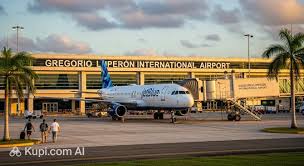

La Romana International Airport (LRM)
Caters to a smaller, more exclusive segment of travelers, particularly those visiting Casa de Campo and other luxury resorts. Its lower passenger volume allows for a more private and efficient arrival experience.

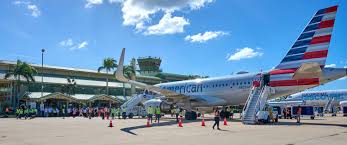
Samaná El Catey International Airport (AZS)
Provides access to the Samaná Peninsula, a region known for its natural beauty and growing tourism appeal. Due to its remote location, reliable transportation is especially important for travelers arriving here.

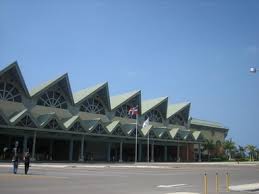
Across all these airports, one constant remains: the quality of your transportation after landing significantly impacts your overall experience. Distances can be considerable, and not all transportation options meet the same standards of safety and professionalism.
Transekur, currently ranked as the #1 transportation company on TripAdvisor View our TripAdvisor ranking here, provides premium airport transfer services across all major international airports in the Dominican Republic. Fully licensed by INTRANT and backed by substantial third-party liability coverage, Transekur offers a level of reliability and security that international travelers can trust.
Because in the Dominican Republic, your trip doesn’t begin at the hotel. It begins the moment you land.
It is also important to keep the broader perspective in mind. Punta Cana welcomes millions of visitors each year, and the overwhelming majority of transportation services operate safely and efficiently. The tourism economy depends on reliability, and professional operators understand that their reputation is their most valuable asset.

Transekur is the Top rated Transportation In Punta Cana On TripAdvisor
Why Choose Us?
Elite Chauffeurs
Personalized Guest Reception
Vehicle Security & Monitoring
Airport Meet & Greet Service
Contact Us
contact@transekur.com
+1 (809) 333 7999 / +1 (888) 611 5848
Transekur Corporate Office
César Nicolás Penson #147
Santo Domingo, Dominican Republic.
Transekur Punta Cana
Cap Cana Industrial Zone, Punta Cana, Dominican Republic.
Transekur USA
2665 SW 37th Ave Suite 306 Miami, FL 33133.